
Screening Resilience #1: After Spring — Ten Years On (On-Demand | 16 Jan–15 Feb 2026)
Throughout 2026, The Civilian Agenda is hosting a series of screenings as part of Screening Resilience, a series that brings together newer and older films to raise awareness and ensure that civilian voices are heard.
Across conflicts and generations, communities carry both pain and resilience from surviving violence inside them: in memory, in displacement, in fractured families, in daily survival. Too often, those lives are flattened into headlines, numbers, or political slogans. The Civilian Agenda exists to do the opposite: to listen closely, to make space for testimony, and to resurface older voices so we do not forget what communities continue to carry as violence persists.
January Screening: After Spring (2016)
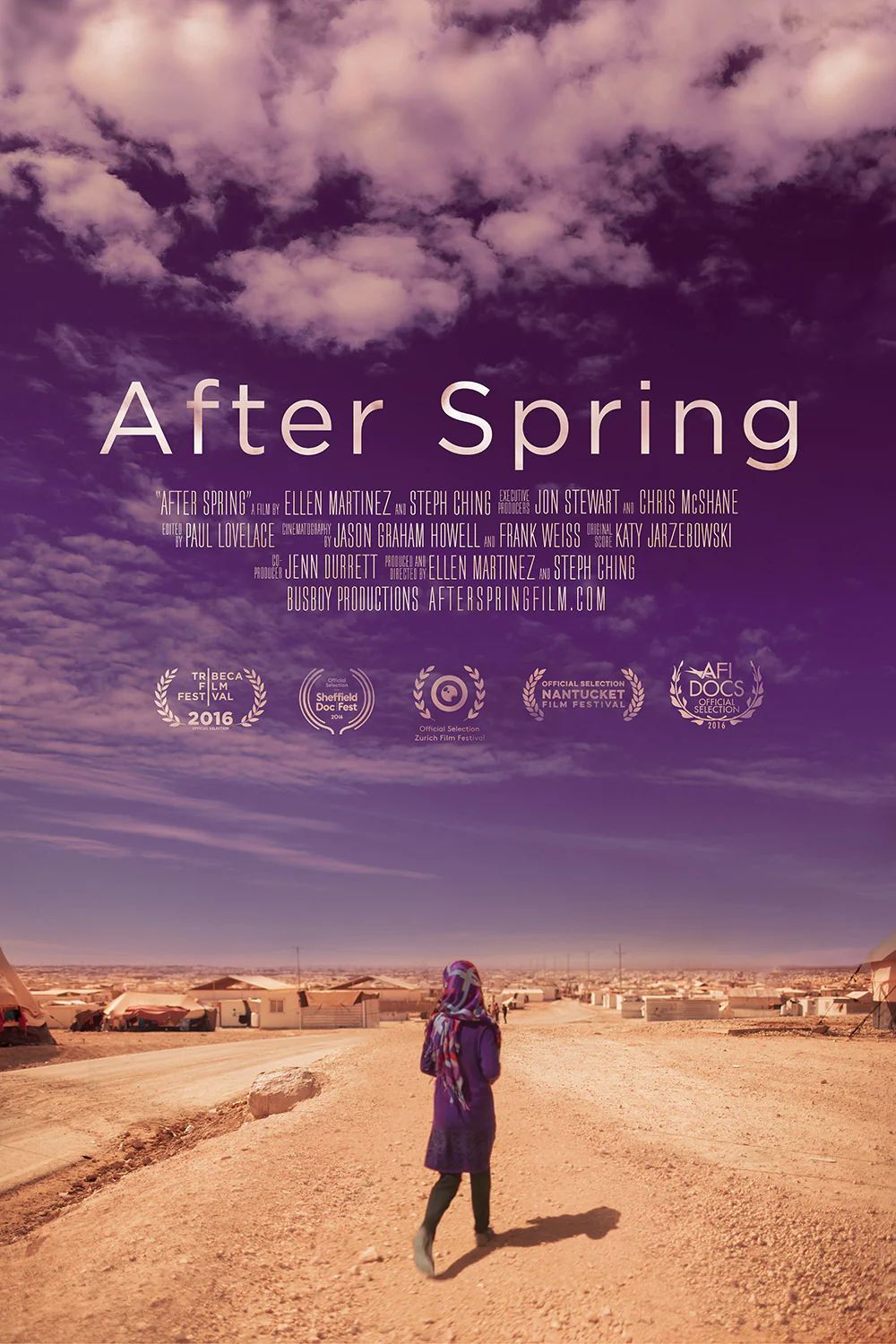
We begin the year with After Spring (2016), a documentary that follows Syrian families and aid workers inside Za’atari, one of the most well-known refugee camps in the world, located in northern Jordan.
The film is set against the ongoing Syrian conflict and captures daily life in displacement, not as a passing emergency, but as a prolonged condition where people still create routines, relationships, and forms of dignity.
Why Screen a Decade-Old Film Now?
Because ten years is long enough for public attention to move on, while consequences do not.
After Spring was released in 2016, when the Syrian refugee crisis was at the centre of global news. A decade later, many of the same political debates continue, but the human realities can become harder to see. The film offers something that slogans cannot: time spent with people. Faces. Ordinary decisions under extraordinary pressure. The emotional cost of waiting. The work of keeping families intact.
Screening an older film is also a way to reflect on the journey Syrians have been forced to take—across borders, across years, across changing political climates.
A Brief Political Context
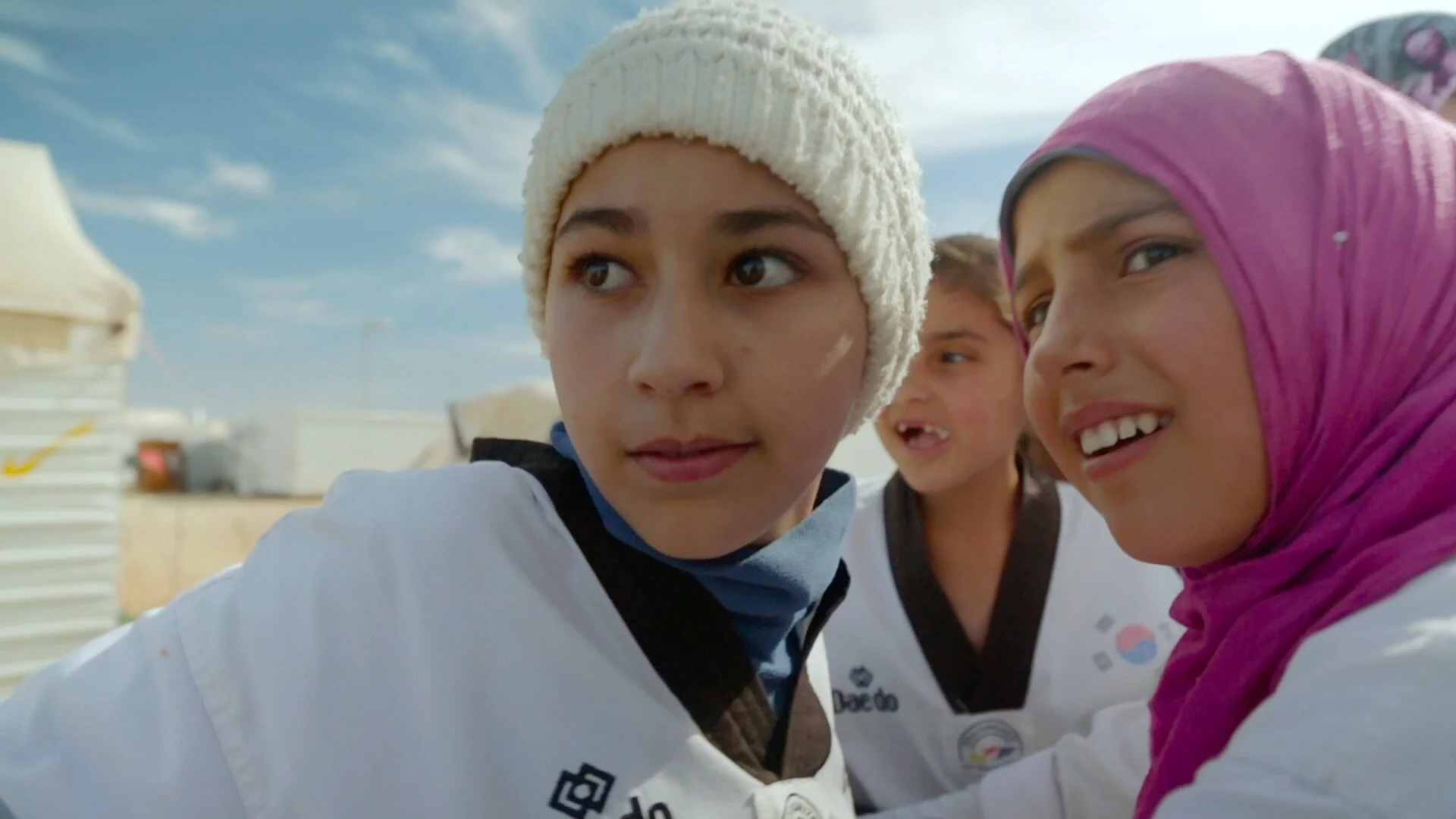
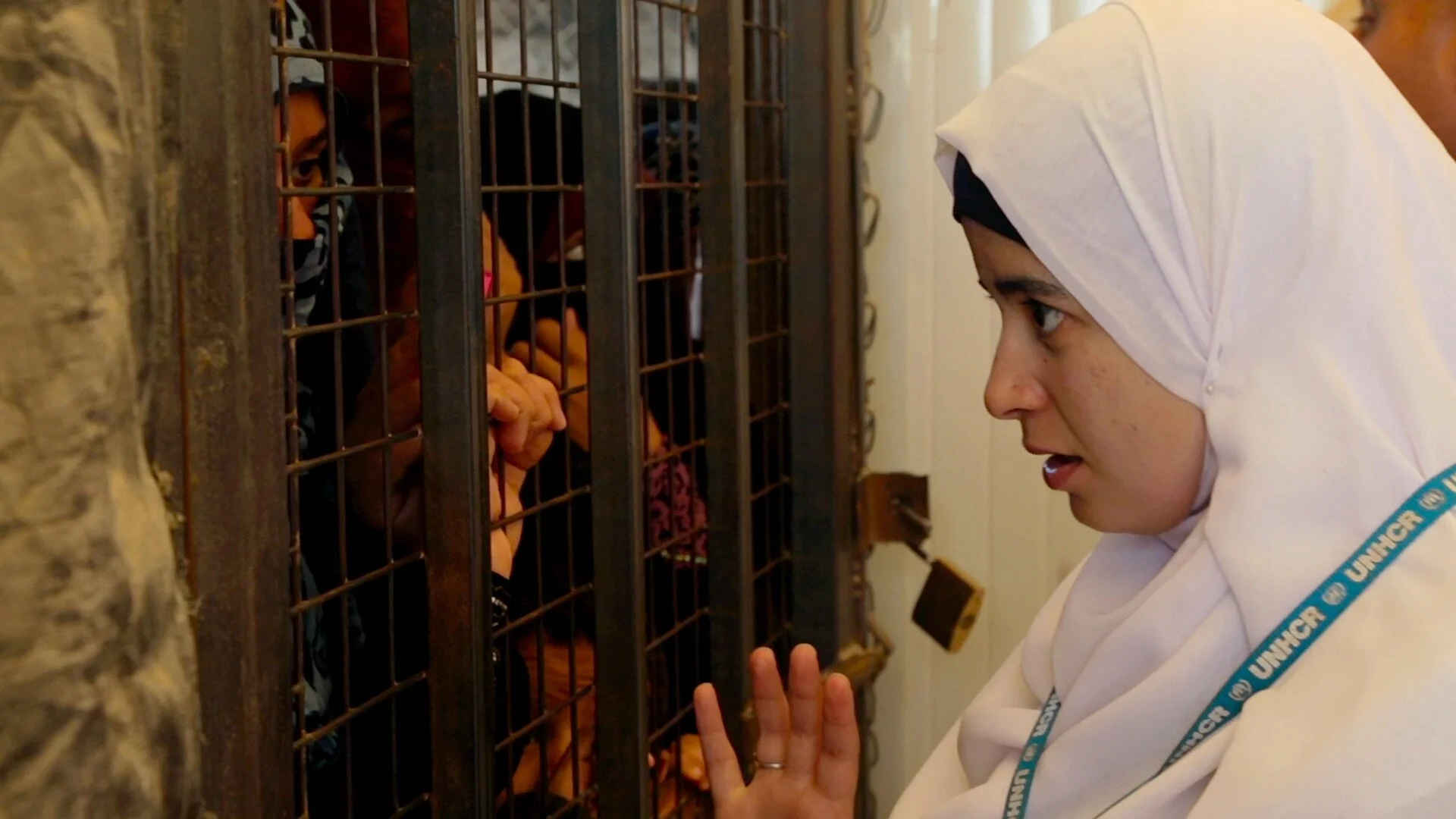
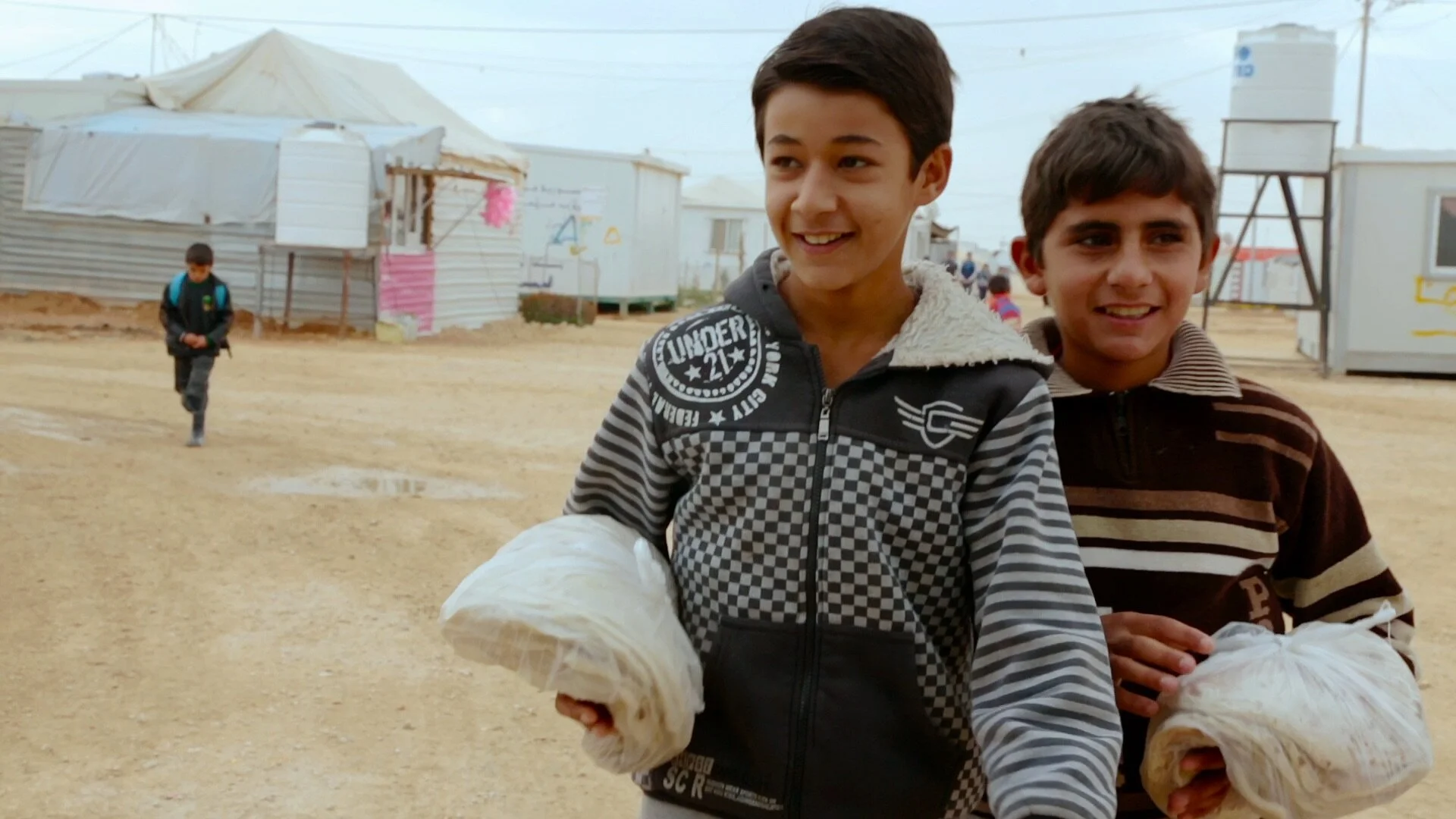
Za’atari opened in July 2012, as Syrians fled escalating violence following the conflict that began in 2011.
Over time, the camp transformed from tents into a semi-permanent city; it has often hosted around ~80,000 residents and at points reached far higher numbers.
Regionally, displacement remains vast: UNHCR’s Syria regional portal continues to track millions of registered Syrian refugees across neighbouring countries, alongside many more internally displaced.
At the same time, the political landscape has not stood still. Since late 2024 and through 2025, reporting and UN updates indicate substantial refugee returns to Syria following major political changes—alongside ongoing insecurity and humanitarian need.
This mixture—movement, return, renewed instability, unresolved loss—is precisely why revisiting a film like After Spring matters. It invites us to ask: ‘what has changed, what has not, and what the world demanded of Syrians while history moved on’
What We Hope This Screening Makes Possible
This screening is an invitation to foster empathy grounded in lived experience, not rhetoric.
It is easy for public conversations about Syria to be reduced to policy positions or ideological camps. But “refugee,” “border,” “security,” and “aid” are not abstractions in After Spring. These are the conditions under which people try to raise children, grieve, fall in love, work, and imagine a future. The film does not ask for pity. It asks for attention. And attention is a form of accountability.
Screening Details
Series: Screening Resilience
Film: After Spring (2016)
Format: On-demand screening (available for 30 days)
Directed by: Steph Ching & Ellen Martinez
Screening Window (UK / England time):
Opens: Friday 16 January 2026 at 12:15 AM (00:15 GMT)
Closes: Sunday 15 February 2026 at 12:15 AM (00:15 GMT)
Ticket price: 5 USD, set to cover licensing and screening costs only—After Spring was made as affordably as possible so it could remain widely accessible.
